Cruise & Travel Report Daily Luxury & Ultra-Luxury Travel Brief – August 26, 2026
Luxury Travel’s Biggest Stories Today
Seabourn Turns to The Atlantic, Portugal Bets on Luxury Rail, India’s Affluent Travelers Look Farther Afield and a New Battle for the Channel Tunnel Intensifies
NEW YORK — Wednesday, Aug. 26, 2026 — The luxury travel business is moving quickly this week, with fresh developments spanning ultra-luxury cruising, experiential touring, luxury rail and international transportation. Among the most consequential stories: a notable media partnership at sea, plans for a new Portuguese hotel train and an escalating fight that could eventually bring genuine competition — and a new premium-service battle — to cross-Channel rail travel.
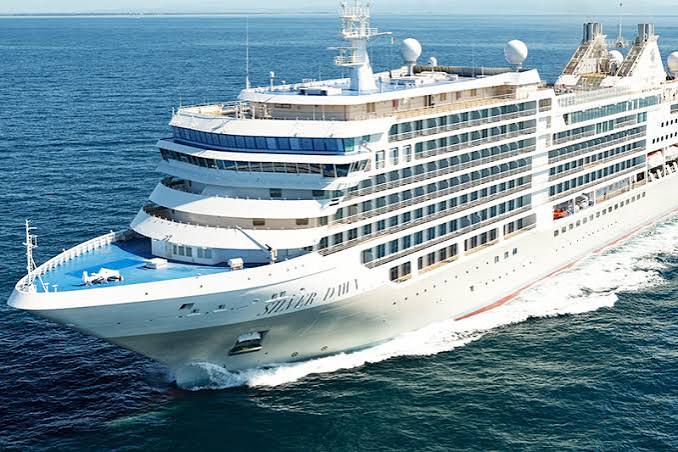
BREAKING — Seabourn is bringing The Atlantic to sea. Ultra-luxury cruise line Seabourn has announced a partnership with The Atlantic that will bring journalists, editors, thinkers and cultural figures aboard selected voyages as part of an expanded Seabourn Conversations enrichment program. The collaboration will eventually culminate in a 12-day With The Atlantic voyage aboard Seabourn Quest, sailing from Montreal to Boston on Oct. 4, 2028. The publication will also curate onboard libraries across the Seabourn fleet. It is a striking sign of where competition in ultra-luxury cruising may be heading: beyond suites, Champagne and restaurants and toward intellectual access that cannot simply be replicated by installing another expensive restaurant or spa.
Why it matters: As hardware aboard luxury ships becomes increasingly sophisticated — and increasingly similar — distinctive programming may emerge as an important reason for affluent passengers to choose one line over another.
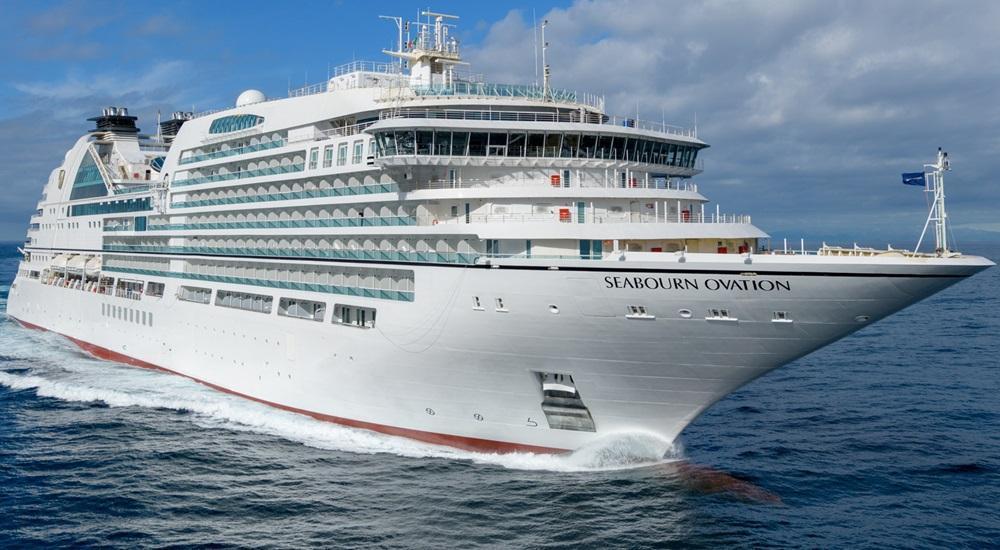

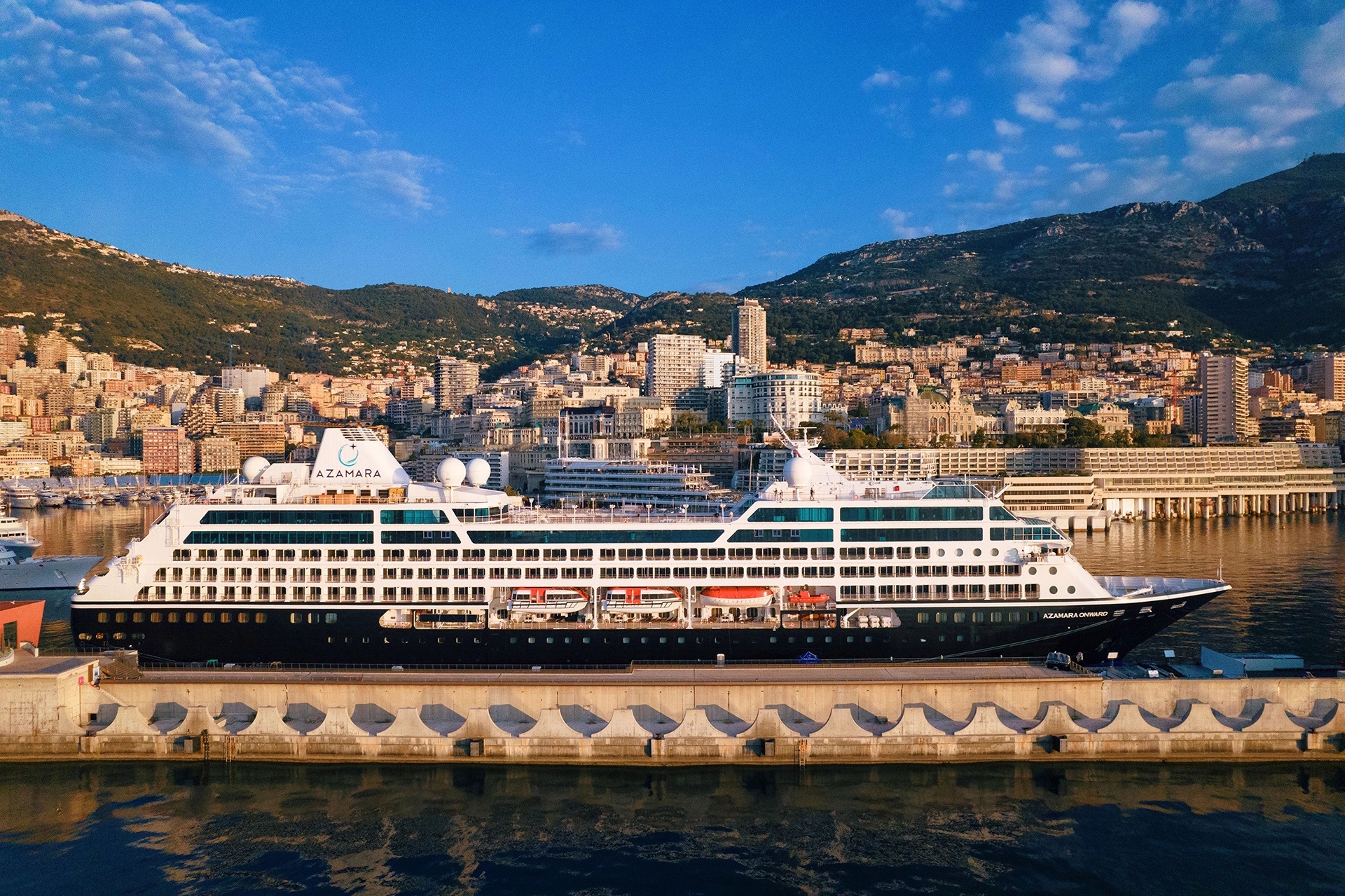
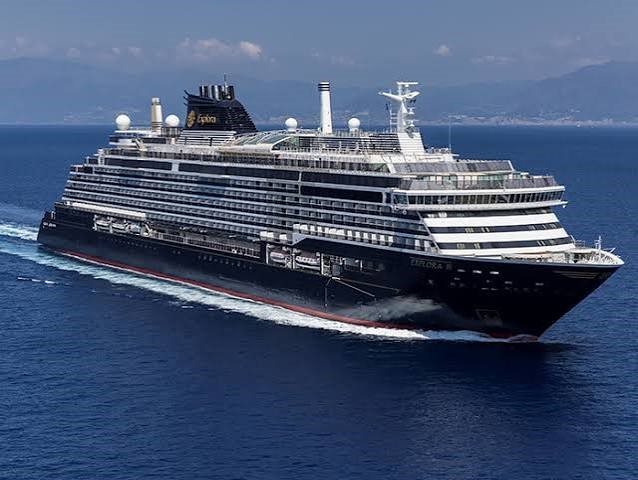
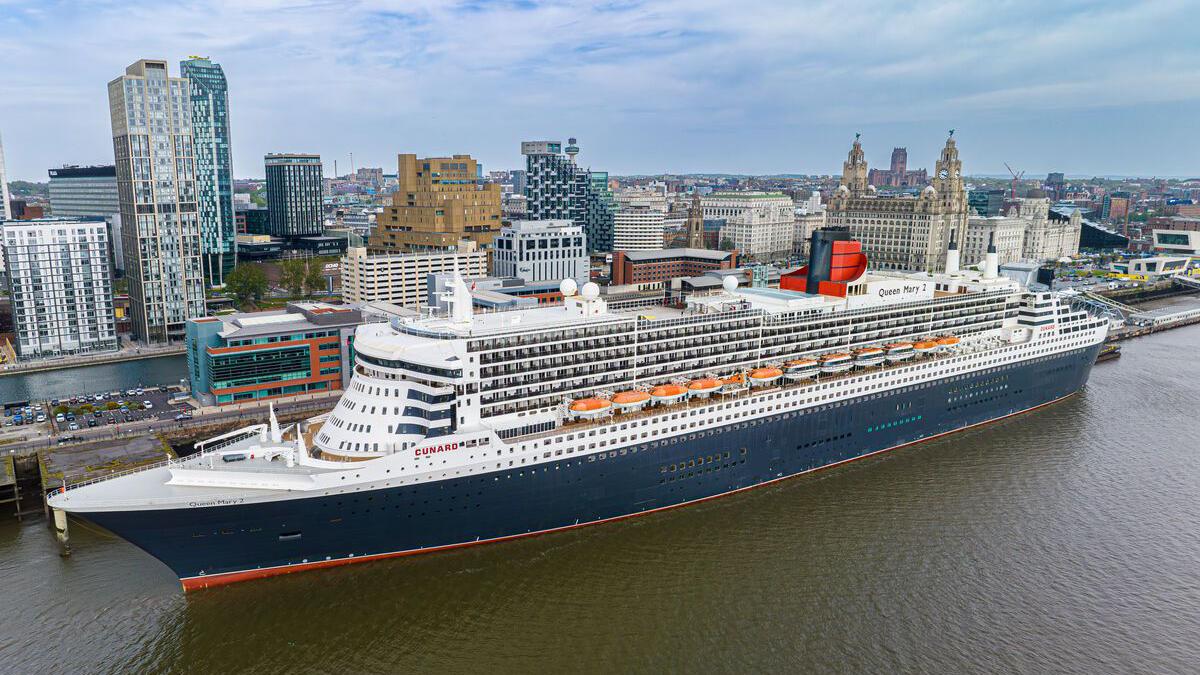
From Guest Lecturers to Thought Leaders: Why Ideas Are Becoming the New Currency of Luxury Cruising: Ultra-Luxury cruise lines are now competing for passenger’s minds. Azamara Cruises, Seabourn Cruises, Cunard Line, Silversea Cruises, Regent Seven Seas Cruises, Explora Journeys and other premium brands are using journalism, academia, culture, food and celebrity expertise to turn onboard programming into a genuine reason to choose one luxury line over another.
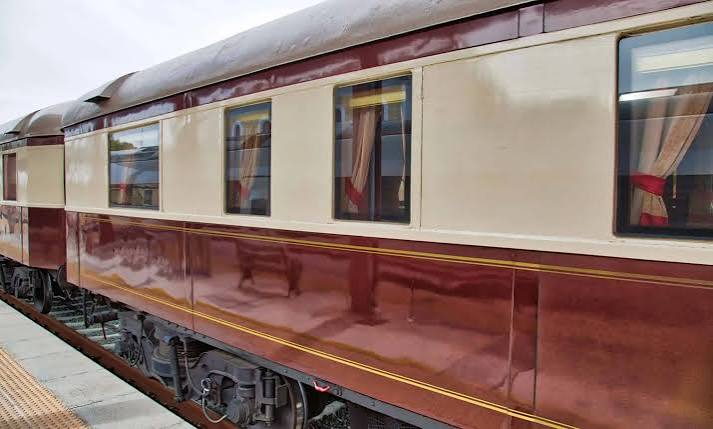
BREAKING — Portugal is preparing a new “hotel on rails.” Portuguese developer Alva Rail is advancing plans for the Valverde Train, a luxury overnight rail project that would transform former Portuguese railway carriages into rolling accommodations built around fine dining, destination experiences and slower exploration of the country. The project represents an investment of roughly €21.6 million, with €9.8 million in European funding identified through Portugal’s government transparency portal.
Why it matters: Luxury rail is rapidly becoming one of travel’s most interesting growth sectors. The train is no longer merely transportation between destinations; the journey itself is being sold as the principal luxury experience. Portugal now has an opportunity to join a renaissance that has transformed historic rail travel into a high-value hospitality product.
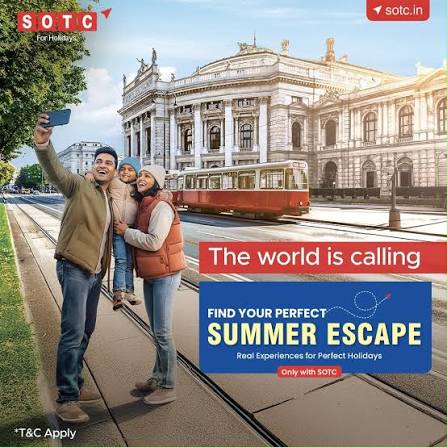
DEVELOPING — India’s luxury outbound market is becoming increasingly important. Thomas Cook India and SOTC Travel continue to expand their international experiential offerings as demand grows among Indian travelers for more ambitious vacations. Their latest fall and winter portfolio emphasizes Europe, North America, the Arctic, Australia and New Zealand, following an earlier expansion of luxury and expedition-cruise products that included Antarctica and Arctic travel.
Why it matters: India should no longer be regarded by ultra-luxury travel companies merely as a promising future market. A growing affluent population, strong appetite for international travel and increasing interest in expedition, cruise and experience-led vacations are making the country an increasingly valuable source of high-spending travelers.
NEW DATA — Luxury travelers are looking beyond the familiar bucket list. Tailor-made luxury tour operator Kensington has released new booking data pointing toward stronger demand for culturally immersive journeys and rising interest in destinations including South Korea, Austria, Peru and Hawaii. Because the numbers come from Kensington’s own bookings, they should be viewed as a snapshot of its clientele rather than proof of an industrywide shift. Still, the findings offer another indication that wealthy travelers are increasingly placing a premium on private access, expert guiding and meaningful local experiences rather than simply booking the most expensive hotel in a familiar destination.
Why it matters: Luxury touring is steadily moving from a model built around accommodations toward one built around access. Private guides, difficult reservations, behind-the-scenes experiences and highly individualized itineraries can now be as important as the hotel suite itself

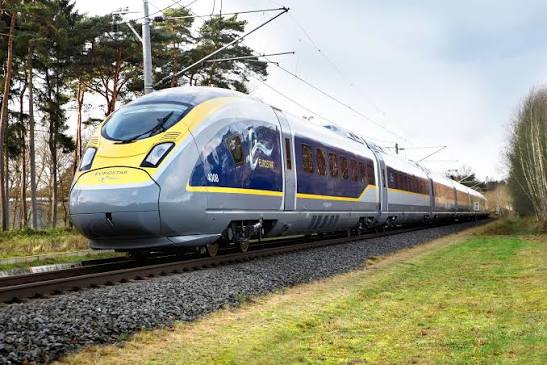
BREAKING — The fight for the Channel Tunnel is escalating. Eurostar has challenged the regulatory process that moved Virgin Trains closer to launching international passenger service from London to Paris, Brussels and Amsterdam. British regulators have pre-approved Virgin’s access to High Speed 1 for as many as 20 daily return services beginning in 2030, although the newcomer still faces several regulatory and operational hurdles before trains can begin carrying passengers. Eurostar’s appeal now turns what had been a future competitive threat into a developing transportation battle.
Why it matters: Competition could have implications far beyond ticket prices. Affluent passengers may eventually see a genuine battle over premium cabins, lounges, food, loyalty benefits, flexible service and the overall first-class experience between Britain and continental Europe.

The Bigger Story: Luxury Is Becoming Harder to Copy
Taken together, today’s developments point toward an increasingly important change in high-end travel. The next generation of luxury may depend less on adding another marble bathroom, tasting menu or larger suite and more on offering somethng a competitor cannot easily reproduce.
For Seabourn, that may mean conversations and intellectual access. For Alva Rail, it is turning travel time itself into the destination. For Thomas Cook India, SOTC Travel and Kensington, it is increasingly sophisticated access to places and experiences. And for Eurostar and Virgin Trains, it could soon mean fighting over who can provide the most compelling premium journey between some of Europe’s greatest cities.
The competition at the top of travel is shifting.
Luxury is no longer simply about having more. Increasingly, it is about having access to something rare, private, seamless — or impossible to duplicate.
