The $225,000 Vacation: Why Time Has Become the Ultimate Luxury Travel Amenity
For years, the defining question in luxury travel was where to go. Now, for a growing number of affluent travelers, it is how long they can stay
NEW YORK, NY – AUG 28, 2026: For generations, luxury travel was defined largely by what money could buy: a larger suite, a better bottle of wine, a table at the restaurant everyone else could not get into, a cabin with a veranda or a chauffeured car waiting at the airport.
That definition is changing.
For the world’s wealthiest travelers, the most valuable amenity increasingly is not marble, Champagne or thread count. It is time — and the ability to spend less of it waiting, transferring, planning and navigating the machinery of modern travel.
That helps explain the growing appeal of private jets, small luxury ships, private residences, yacht charters and painstakingly organized journeys that move travelers from one extraordinary experience to another with almost no friction.
Few examples illustrate the point better than Abercrombie & Kent, the luxury tour operator that has built an international reputation around complicated journeys made to feel simple. Its private-jet programs take a concept once associated primarily with corporate executives and billionaires and turn it into a vacation product: multiple countries, private aircraft, carefully orchestrated ground arrangements and high-end hotels packaged into one seamless itinerary.
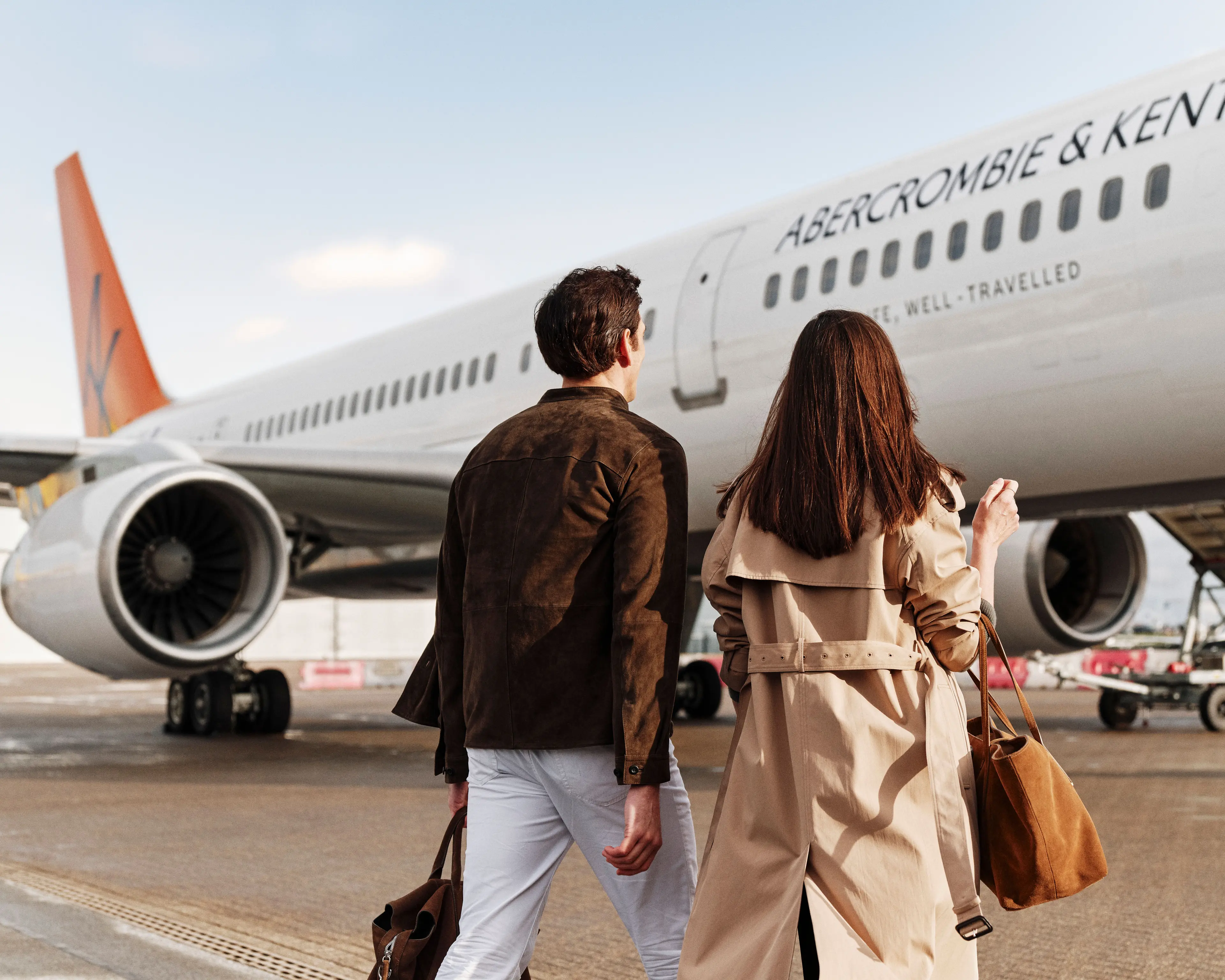
At the extreme end of the market, such trips can cost well into six figures. The traveler is not simply purchasing transportation. He or she is buying back hours — sometimes days — that would otherwise disappear into commercial-airline connections, security lines, baggage claims, hotel check-ins and logistical uncertainty.
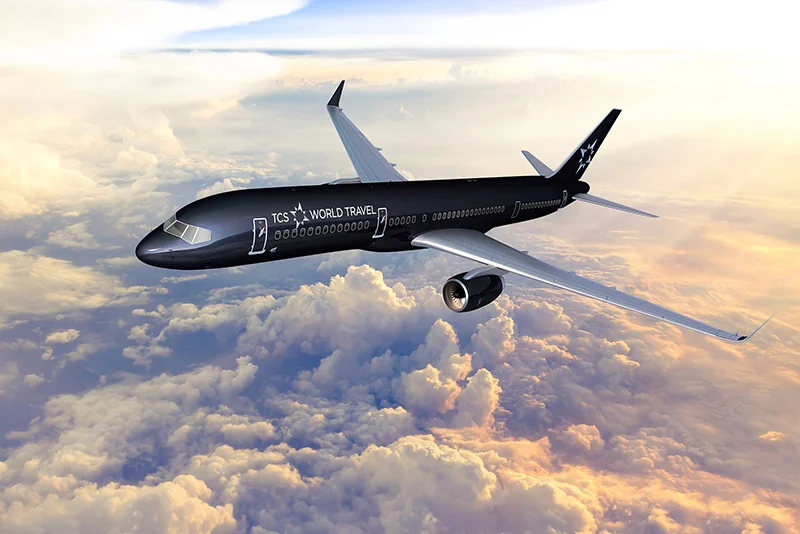
TCS World Travel has pursued a similar model through elaborate private-jet journeys that link far-flung destinations into itineraries that would be exhausting, if not impractical, for travelers to arrange independently.
The central promise is remarkably simple: We will handle the difficult parts.
And increasingly, that may be the most valuable promise in luxury travel.
- TCS World Travel is launching an 11-day private jet journey through Japan next summer.
- The journey visits three regions and six UNESCO World Heritage sites from June 20 to 30, 2026.
- A total of 52 travelers can join the trip, which goes off the beaten path in Kyoto, Okinawa, and Kyushu.
Luxury Without the Logistics
The trend extends far beyond private aviation.
Companies including Black Tomato and Scott Dunn have built businesses around highly personalized itineraries in which complexity is largely hidden from the customer. Transfers appear when required. Guides are waiting. Hotels know when guests are arriving. Special experiences are arranged before the traveler reaches the destination.
The luxury is not merely access. It is the absence of inconvenience.
That distinction matters because affluent travelers can already purchase first-class airline tickets and expensive hotel rooms themselves. What becomes harder to buy — and therefore more valuable — is a vacation in which dozens of moving pieces work together almost invisibly.
Scott Dunn Travel

Scott Dunn’s luxury journeys through Vietnam combine polished five-star hospitality with deeply immersive encounters, offering tailor-made itineraries that can stretch from Hanoi’s atmospheric Old Quarter and the limestone formations of Halong Bay to historic Hoi An, the beaches of the central coast and the restless energy of Ho Chi Minh City. Private guides, seamless transfers and carefully selected hotels — including properties such as Capella Hanoi, Park Hyatt Saigon, Four Seasons Resort The Nam Hai and Amanoi — are paired with experiences ranging from street-food tours and cycling excursions to scenic rail journeys and explorations of the Mekong Delta. Typical itineraries run 11 to 15 days and can be customized around a traveler’s interests, while published examples range from an 11-night Highlights of Vietnam journey starting at $7,200 per person to a 16-night Vietnam-and-Cambodia itinerary from $14,200 per person.
Black Tomato
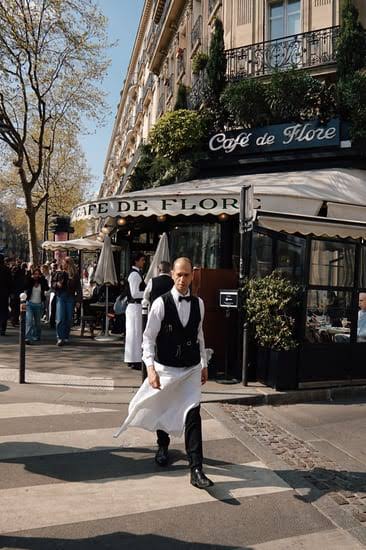
Black Tomato’s “In Search of the Lost Generation” is a 12-night literary and cultural journey through France and Spain that retraces the worlds of Ernest Hemingway, Pablo Picasso and Coco Chanel. Beginning in Paris, travelers explore the cafés, bookshops and Left Bank addresses that shaped the creative ferment of the 1920s before continuing through Biarritz, San Sebastián and Rioja and ending in Madrid. Private guides, literary walks, wine experiences, historic hotels and privileged cultural access turn the itinerary into something closer to traveling through a living biography than taking a conventional European tour. Offered from October through April, the journey starts at $26,000 per person, excluding international flights, with accommodations, experiences, guiding and transfers included.
The hotel industry has recognized the same opportunity.
Brands such as The Ritz-Carlton, Mandarin Oriental and Four Seasons increasingly operate as more than places to sleep. Their concierges, private transfers, residences, yachts, aircraft partnerships, destination experiences and bespoke services allow guests to remain within a carefully managed luxury ecosystem.
Four Seasons has taken the idea particularly far with its private-jet journeys, extending a hotel brand into transportation and touring. The message is unmistakable: The company does not merely want to provide the room at the end of the journey. It wants to help control the journey itself.
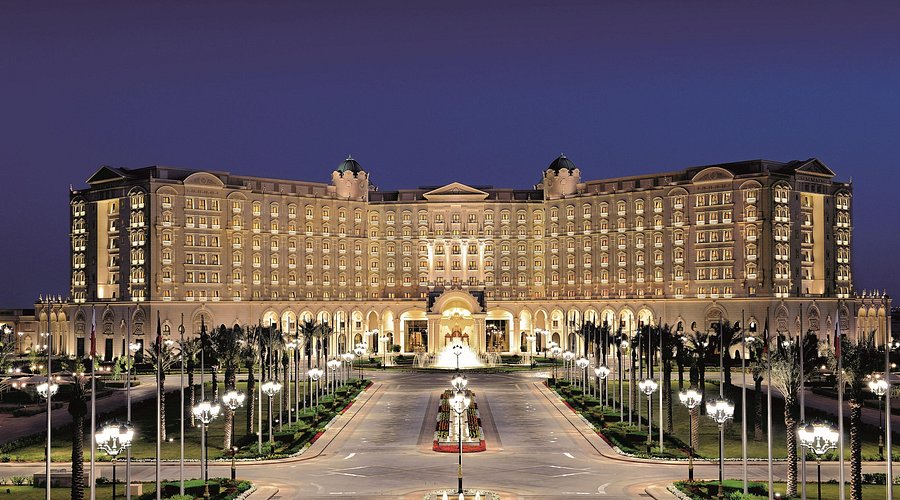

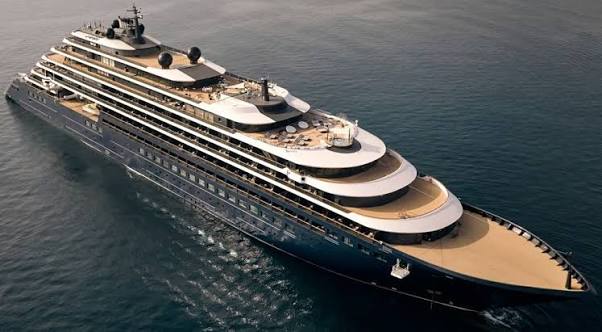
The Ritz-Carlton has moved onto the water with The Ritz-Carlton Yacht Collection, marrying the intimacy of a private-yacht aesthetic with the operational structure of a luxury cruise company.
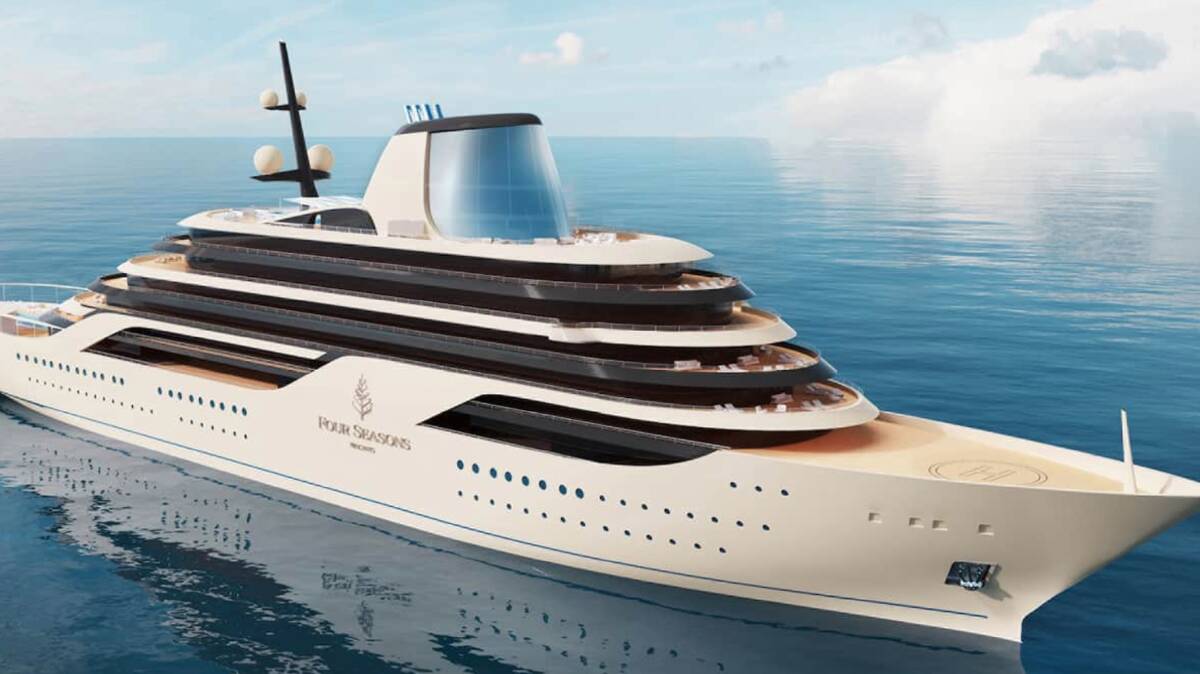
Not to be outdone, Four Seasons has also introduced it’s own Yacht Collection bringing the Four Seasons experience to the world’s oceans with some of the largest suites at sea as well as branded partnerships for health & wellness, expedition travel, and a sophisticated gourmet food and curated wines collection.
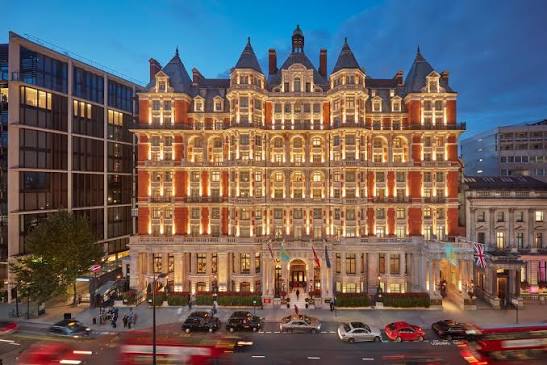
Mandarin Oriental, meanwhile, continues expanding beyond traditional hotel rooms through residences, villas and highly personalized experiences intended to keep affluent guests inside the brand before, during and after conventional hotel stays.
The Rise of the Private Residence
Luxury residences are another part of the same transformation.
Companies such as Inspirato and onefinestay helped establish a market for travelers who wanted the privacy and space of a home without surrendering the services associated with a five-star hotel.
The appeal becomes particularly obvious for families and groups. A large residence can eliminate restaurant schedules, crowded hotel lobbies and the constant movement between separate rooms. Private chefs, drivers and household staff can further reduce the amount of time spent dealing with the ordinary mechanics of a vacation.
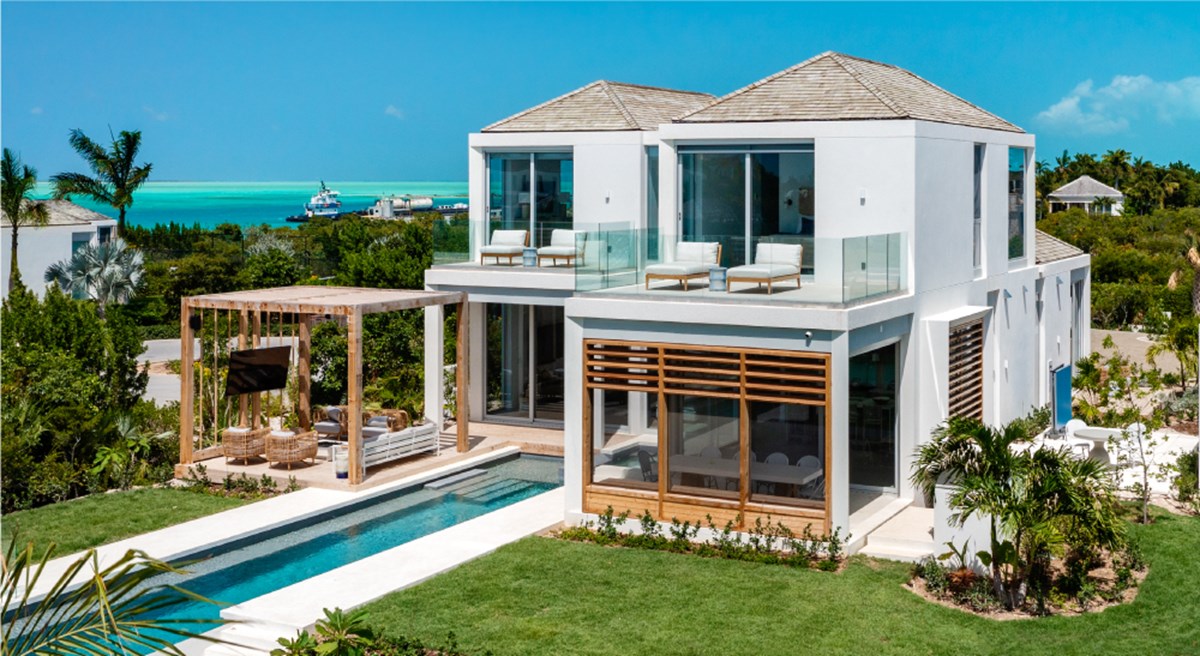
For the affluent traveler, privacy and convenience increasingly overlap.
A villa where breakfast appears when the family wakes up may ultimately feel more luxurious than breakfast in a grand dining room at precisely 9 a.m.
At Sea, Smaller Can Mean More Valuable
Cruise lines have been selling the value of time for years, even when they did not describe it that way.
A passenger unpacks once and wakes up somewhere new. Transportation, accommodation, restaurants and entertainment move together.
Ultra-luxury cruising pushes the concept further.
Silversea Cruises, Regent Seven Seas Cruises and Seabourn have built their businesses around relatively small ships, high levels of service and itineraries designed to bring passengers closer to destinations without many of the inconveniences associated with independent travel.
Regent’s highly inclusive model is particularly relevant. The appeal is not simply that certain expenses are included in the fare. It is that passengers spend less time making decisions and completing transactions during the vacation.
Silversea has similarly paired luxury cruising with expedition travel, allowing passengers to reach Antarctica, the Arctic and other remote regions while keeping accommodations, meals, transportation and expedition logistics under one operator.
Seabourn has pushed deeper into expedition cruising with purpose-built ships intended to combine sophisticated onboard service with access to some of the world’s most difficult-to-reach destinations.
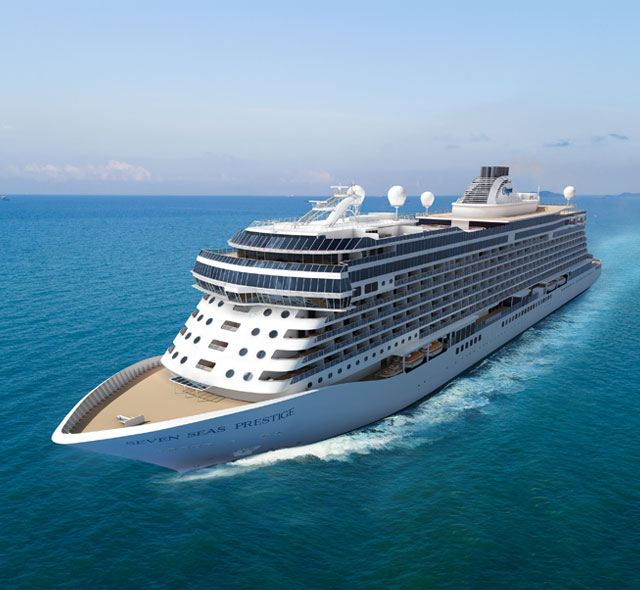
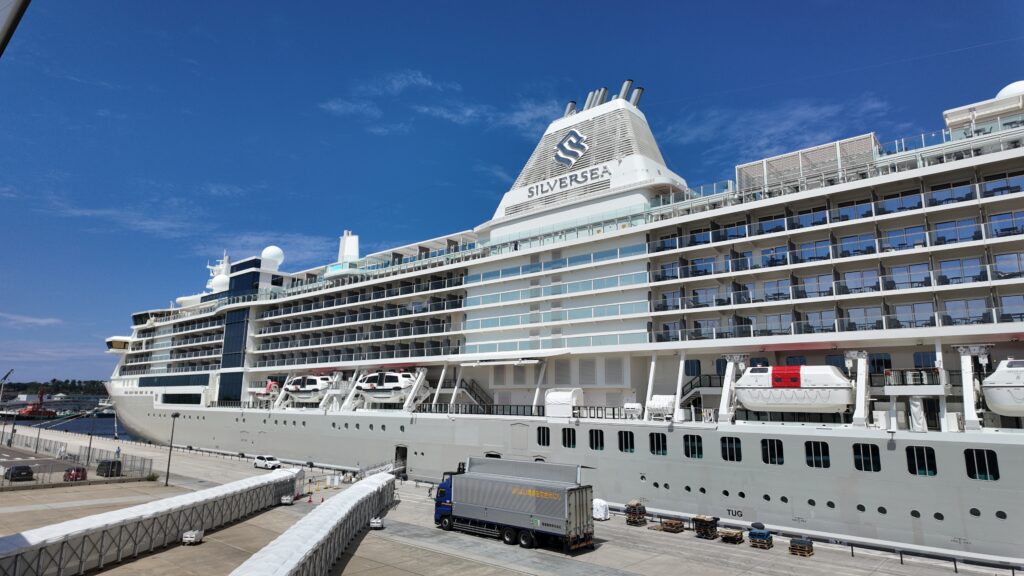
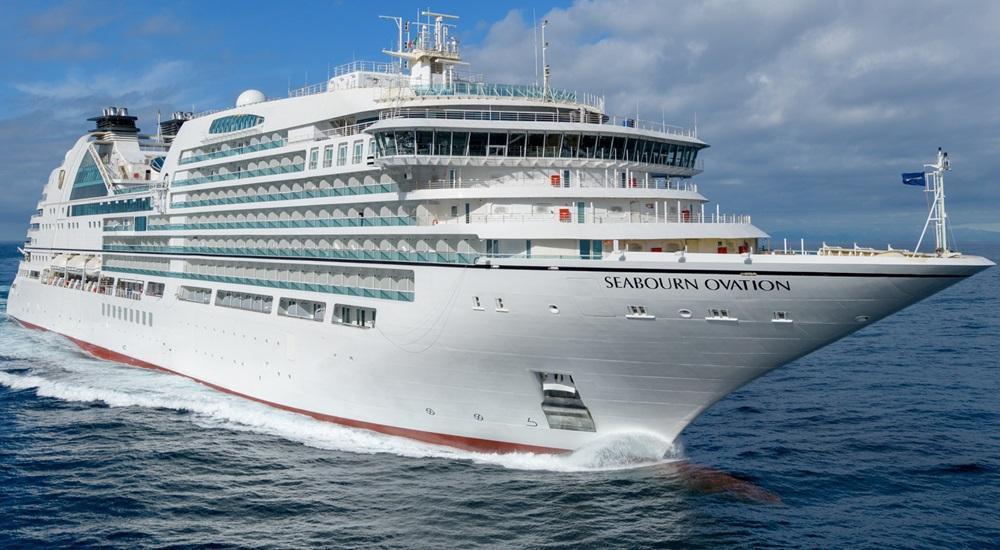
Then there is PONANT, whose small luxury expedition vessels have helped turn remote geography into a premium travel product. A voyage to the polar regions aboard a highly specialized vessel demonstrates the economics of time especially well: The customer is paying not merely for a cabin but for access, equipment, experts, transportation and logistics that would be extraordinarily difficult to assemble independently.
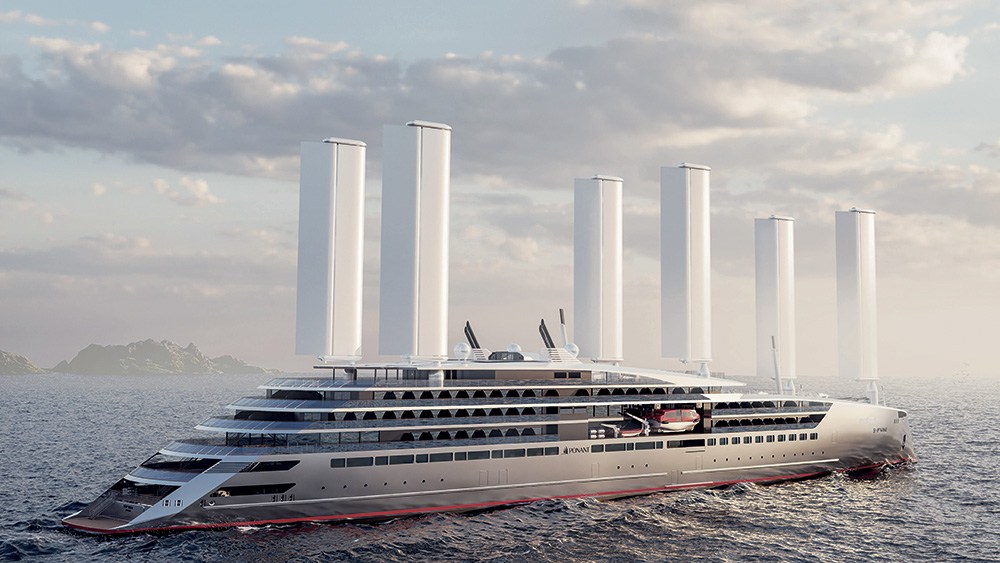
Oceania Cruises occupies a somewhat different position, emphasizing destination-rich itineraries and culinary experiences. Yet its appeal also rests partly on efficiency. A long cruise can deliver a succession of ports without requiring travelers to repeatedly pack, fly, transfer and check into another hotel.
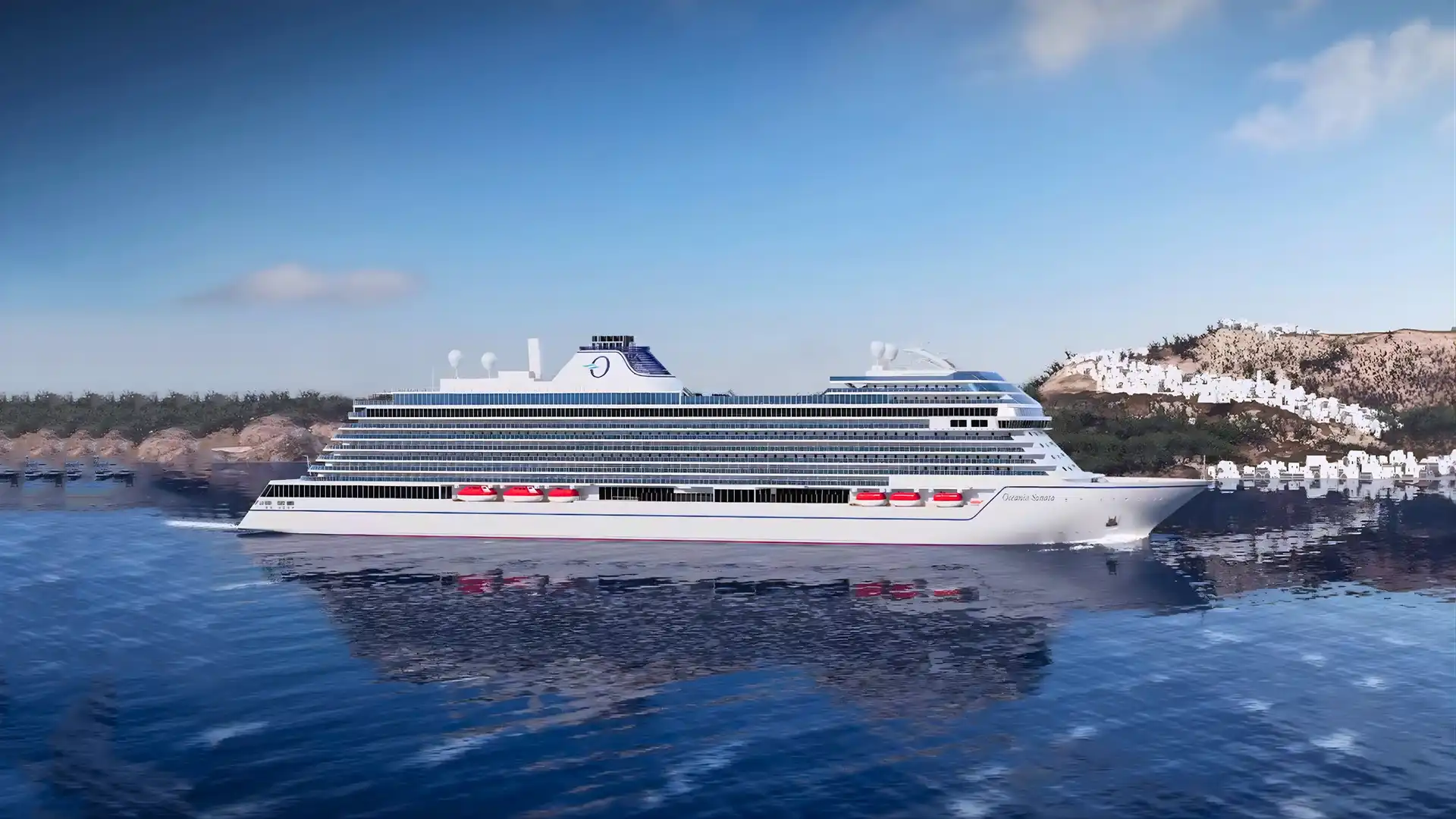
In each case, the ship becomes both hotel and transportation system.
That is an enormously powerful luxury proposition.
Trains, Boats and the Romance of Slowing Down
There is an apparent contradiction in all this.
If wealthy travelers value time so highly, why are some of the most expensive vacations deliberately slow?
Consider Belmond, whose portfolio includes legendary trains, hotels and river experiences. Its luxury rail journeys can take far longer than flying between the same destinations.
Yet that does not undermine the argument. It strengthens it.
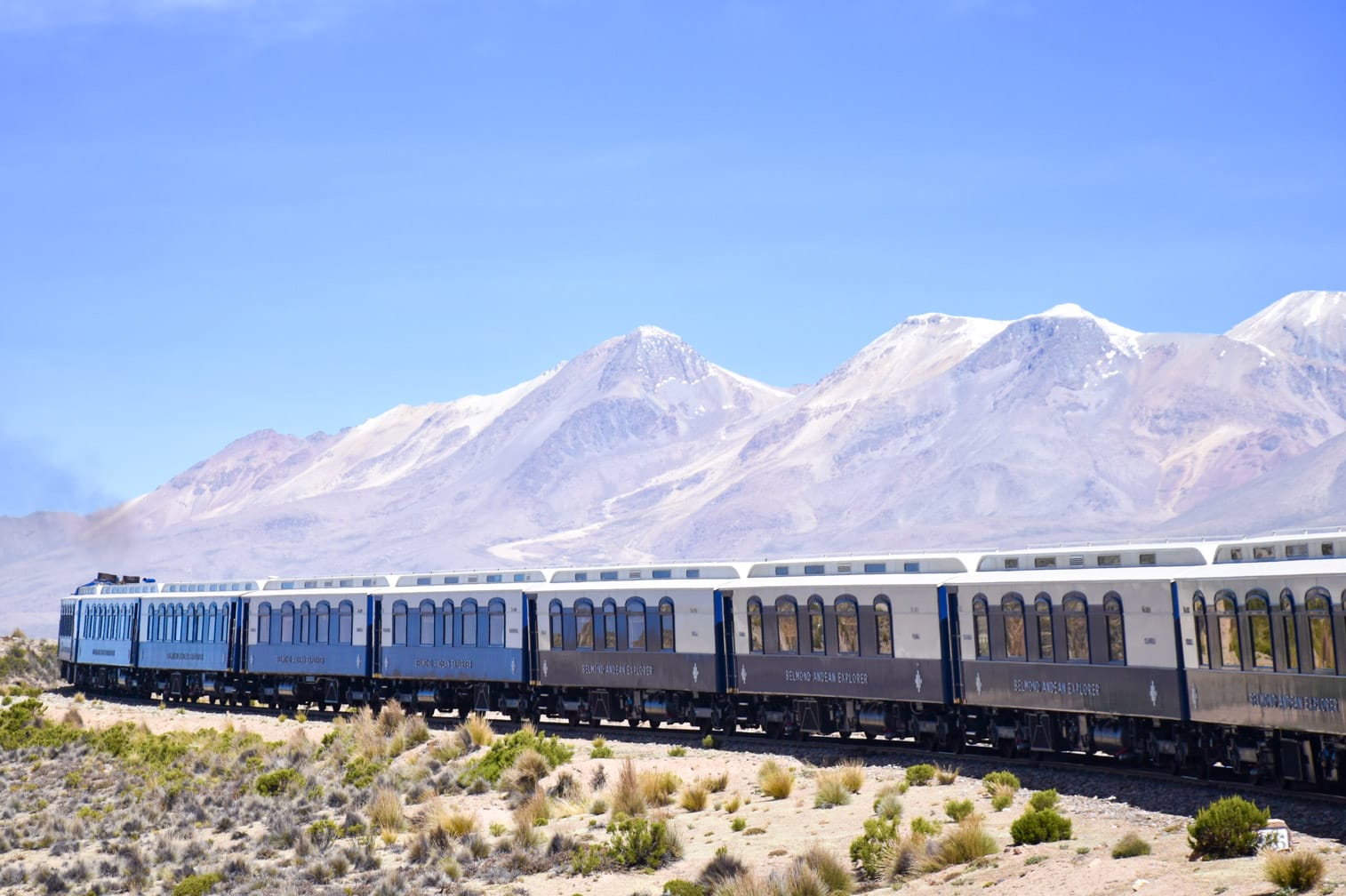
Luxury is increasingly about deciding where time should be saved and where it should be spent.
Nobody dreams of spending three hours in an airport security line. But spending three hours over lunch while countryside passes outside the window of an elegant train carriage is another matter entirely.
Belmond effectively transforms transportation time into vacation time.
Luxury cruising does the same thing. So does a yacht.
The affluent traveler may not necessarily want to arrive everywhere faster. The traveler wants to eliminate wasted time.
That difference will shape the next generation of high-end travel.
Private Aviation Changes the Equation
No companies embody the monetization of time more directly than NetJets and VistaJet.
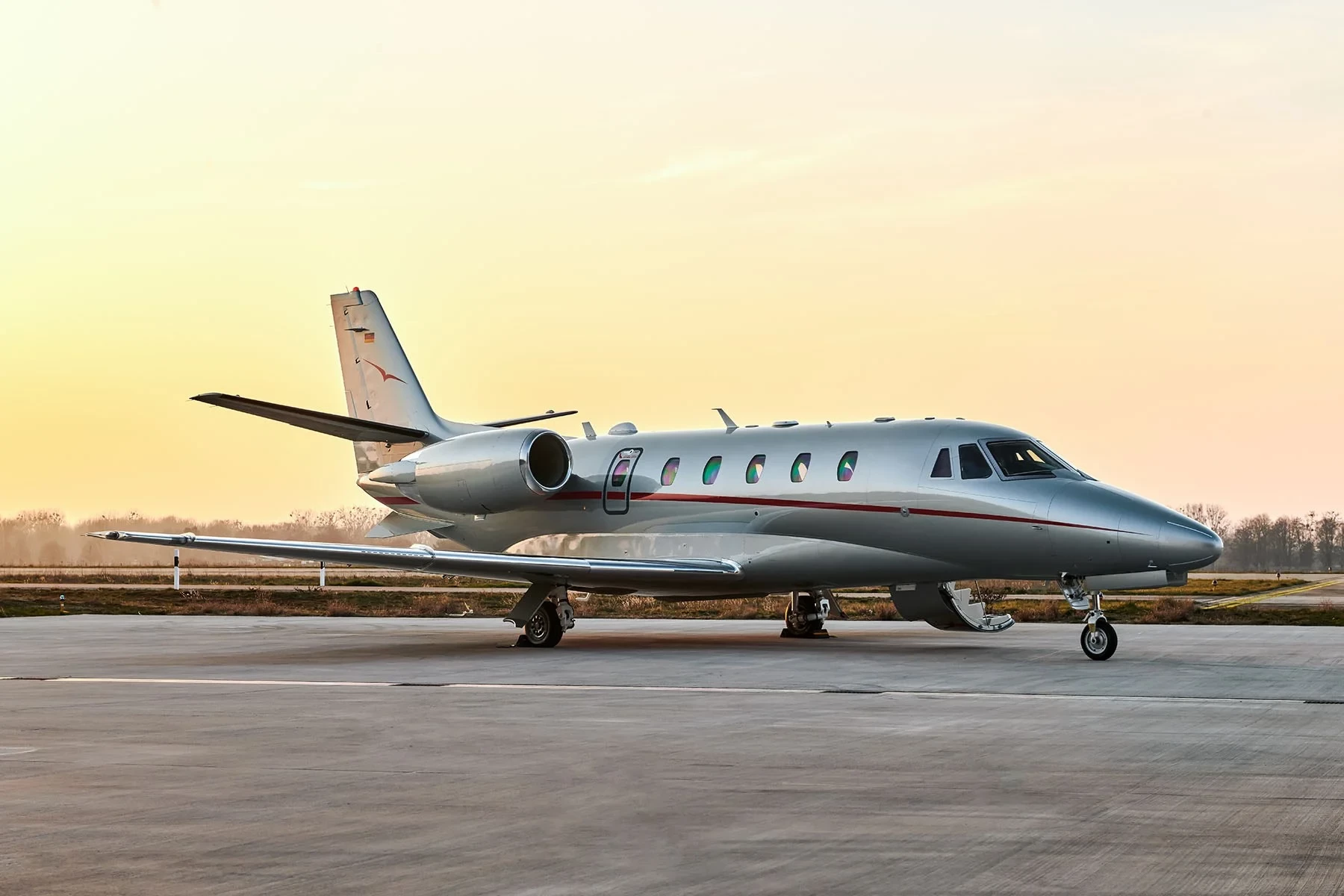
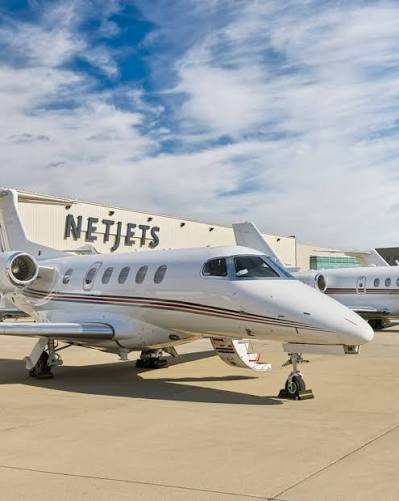
Private aviation can eliminate many of the constraints of scheduled airline service. Travelers may depart from smaller airports closer to home, arrive closer to their final destinations and avoid connections through large international hubs.
For business travelers, the calculation can be economic. For leisure travelers, it is increasingly experiential.
A family traveling to several destinations may determine that avoiding missed connections, overnight stays and rigid airline schedules is itself part of the vacation.
The private aircraft is therefore not necessarily the luxury experience. What it provides is access to something more valuable: control.
That idea is spreading throughout the premium travel industry.
From Selling Rooms to Owning the Journey
The most important competitive battle in luxury travel may no longer be between one hotel company and another or one cruise line and another.
It may be a competition over how much of the traveler’s journey a company can control.
Four Seasons can provide the hotel, residence and private-jet journey.
The Ritz-Carlton can provide the resort, residence and yacht.
Abercrombie & Kent and TCS World Travel can combine aircraft, hotels, guides and experiences.
Silversea, Regent, Seabourn, Oceania and PONANT can turn transportation itself into the accommodation.
Belmond can transform the journey between destinations into one of the primary reasons for traveling.
Black Tomato and Scott Dunn can orchestrate what happens between all those pieces.
Inspirato and onefinestay can replace the conventional hotel room with a private residence.
NetJets and VistaJet can remove much of the commercial-airline infrastructure altogether.
The result is an increasingly integrated luxury-travel economy in which the most successful companies may be those capable of removing the greatest number of obstacles between a customer and an experience.
For decades, travel marketers sold luxury by adding things: bigger suites, larger bathrooms, finer restaurants, more elaborate spas.
The next phase may be defined just as much by what companies can remove.
No lines. No connections. No repeated packing. No complicated transfers. No hours spent researching transportation. No wondering who will be waiting when the aircraft lands.
At the highest end of travel, extravagance is still very much alive. There will always be private pools, presidential suites, Champagne and helicopters.
But for travelers who can already afford almost anything, another commodity is becoming considerably harder to acquire.
Time. And the luxury travel industry has figured out how to sell it.