Cruise & Travel Report Daily Luxury & Ultra-Luxury Travel Brief – August 28, 2026 – Luxury Travel’s New Status Symbol: More Space, Fewer People
From Oceania Cruises’ roomier new ships and Hilton’s low-density Costa Rica resort to United Airlines’ premium-heavy jets and a new expedition superyacht, luxury travel brands are betting that privacy, space and exclusivity will define the next era of high-end travel.
NEW YORK — Aug. 28, 2026 — The newest symbol of luxury travel may not be Champagne, marble bathrooms or even private butlers.
It may simply be having fewer people around you.
Across cruising, hotels, aviation and yachting, some of the week’s most significant travel developments point toward a strikingly similar strategy: Give affluent travelers more room, more privacy and greater control over their surroundings — and charge accordingly.
Oceania Builds Bigger Without Packing in More Passengers
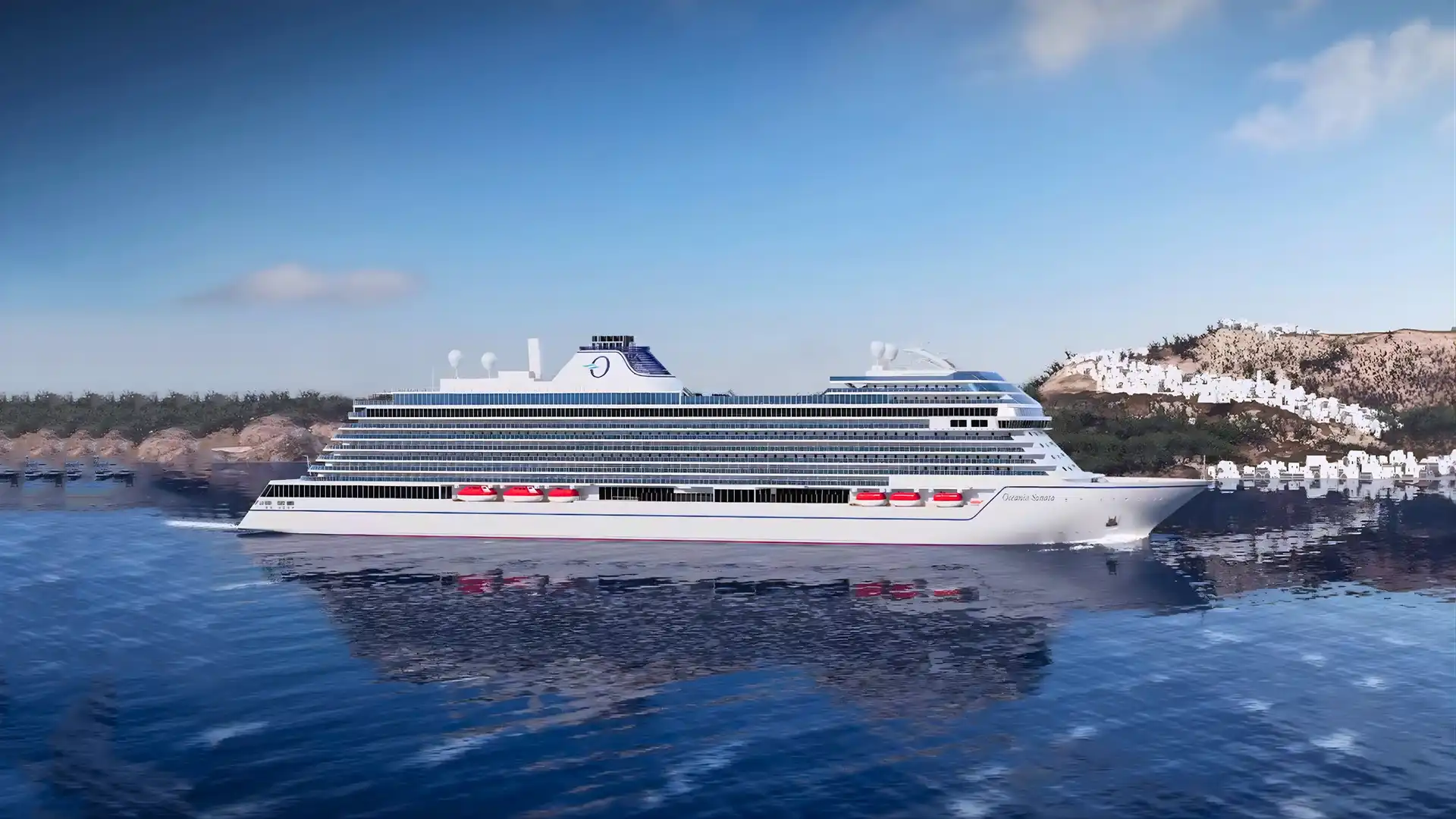
Oceania Cruises has floated out Oceania Sonata, the first of five planned Sonata Class vessels and a ship that offers an intriguing lesson in luxury-cruise mathematics.
At approximately 86,000 gross tons, Sonata will be nearly 30 percent larger than Oceania Allura, yet it will accommodate only about 90 additional guests, for a total of roughly 1,390 passengers. One-third of its accommodations will be suites.
The decision suggests that Oceania is not simply using a bigger ship to carry more people. It is using additional size to create more personal space.
That approach puts the company in step with ultra-luxury lines such as Seabourn, Silversea and Regent Seven Seas Cruises, which have long made lower passenger counts and higher levels of personal service central to their appeal.
Hilton Takes Luxury Into the Costa Rican Rainforest
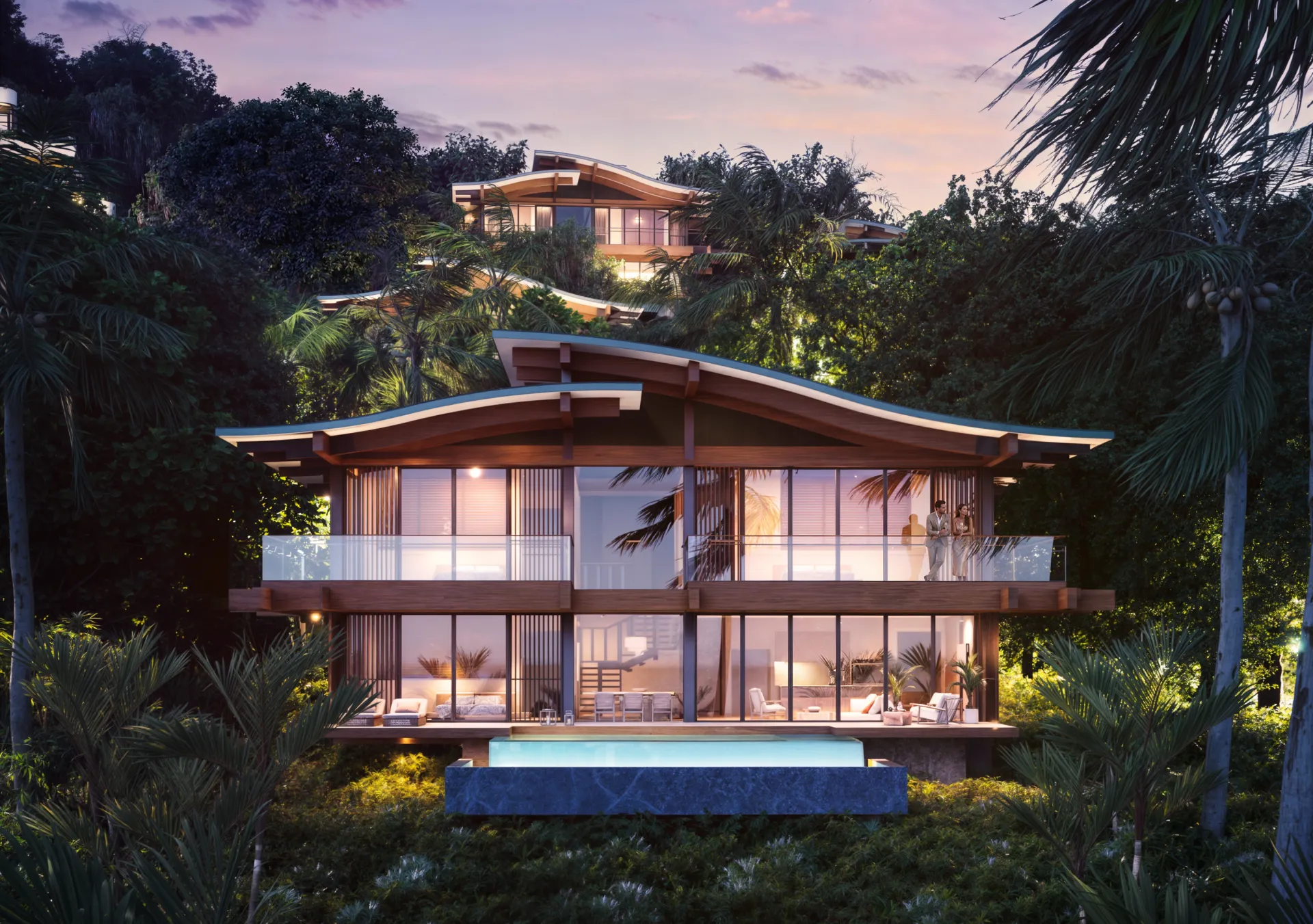
On land, Hilton is following a similar philosophy.
The company has announced Maravé Manuel Antonio, an LXR Hotels & Resorts property scheduled to open in Costa Rica in 2029.
The resort will sit on nearly 40 acres overlooking the Pacific near Manuel Antonio National Park — yet include just 57 hotel accommodations, among them 15 private bungalows with plunge pools.
The broader development will also feature 116 branded residences, including villas, condominiums and penthouses.
The numbers are revealing. Instead of filling valuable coastal land with hundreds of guestrooms, the project is built around low density, residential-style accommodations and privacy.
For luxury hotels, the private villa may increasingly be replacing the presidential suite as the ultimate upgrade.
Antigua’s Luxury Boom Pushes Toward Privacy
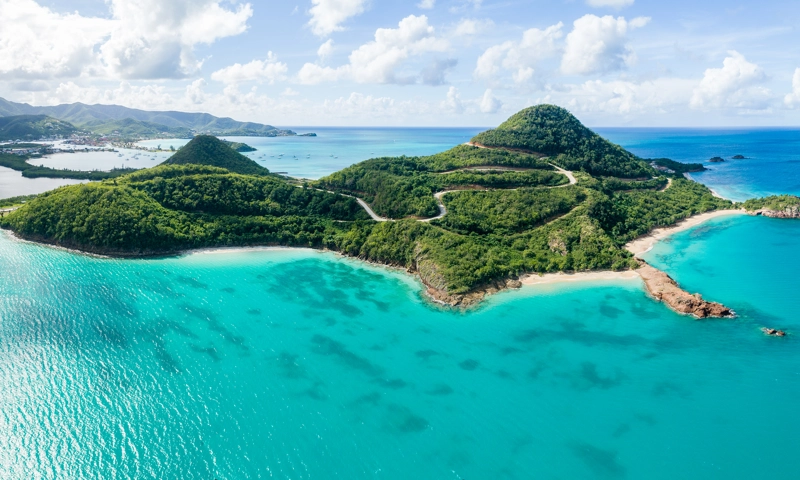
Antigua’s high-end hospitality market is gaining another exclusive addition as Luxury Hotel Partners, Small Luxury Hotels of the World and Orange Limited move forward with a new resort venture at Pearns Point, the private residential enclave on the island’s western coast. The project reflects a broader shift in luxury travel toward lower-density resorts, private residences and more secluded experiences, as affluent travelers increasingly place a premium on space, privacy and a genuine sense of escape.
A Superyacht Built to Escape Almost Everyone – Delta Marine’s ZEMBRA
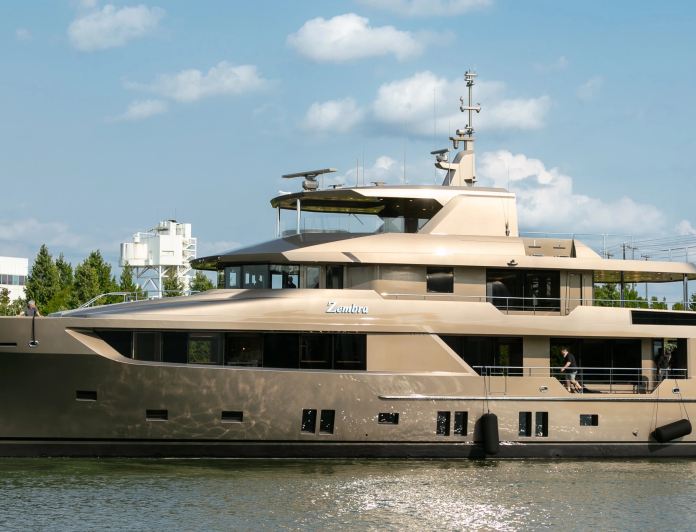
Seattle-based Delta Marine has taken the idea even further with ZEMBRA, a newly launched 152-foot explorer yacht expected to enter the charter market through Northrop & Johnson.
The yacht will carry only a small number of guests but comes equipped like a private expedition vessel, with an amphibious aircraft, submersible, helicopter landing area and an elevator serving its decks.
It also includes a wheelchair-accessible guest cabin — still a notable rarity in the superyacht industry.
ZEMBRA represents an increasingly important corner of ultra-luxury travel: vessels designed not merely to offer privacy once guests reach a destination, but to carry them to places where crowds barely exist.
United Gives Up Seats to Create More Premium Space

Commercial aviation may seem like an unlikely place to find the same trend, but United Airlines is making a similar calculation aboard its forthcoming Airbus A321XLR.
The aircraft will feature 20 Polaris business-class suites with privacy doors and 12 Premium Plus seats — 32 premium accommodations aboard a narrow-body jet.
That means valuable cabin space that could accommodate additional passengers is instead being devoted to larger seats, lie-flat beds and privacy.
For decades, airlines perfected the economics of density. Premium aviation increasingly depends on monetizing the opposite.
Virtuoso Says Affluent Travelers Are Still Spending

There is also evidence that customers are willing to pay.
Virtuoso says sales across its luxury-travel network are running about 21 percent ahead of the previous year, with hotel sales up roughly 25 percent and cruise sales increasing about 22 percent.
The figures represent Virtuoso’s own network rather than the entire luxury market, but they offer another indication that affluent travelers continue to spend heavily on differentiated experiences.
They also underscore the continuing importance of well-educated luxury travel advisors.
As high-end trips increasingly combine premium aviation, luxury cruises, private villas, yacht charters, remote destinations and exclusive experiences, determining what is truly exceptional — rather than merely expensive — requires expertise, supplier relationships and detailed product knowledge.
Luxury Through Subtraction
For generations, the travel industry defined luxury by adding more: more restaurants, more marble, more entertainment and more amenities.
Increasingly, the most valuable brands may distinguish themselves by offering less.
Fewer passengers.
Fewer neighbors.
Fewer lines.
Fewer interruptions.
Whether it is a larger cruise ship deliberately carrying fewer guests, a Costa Rican resort spread across dozens of acres, an aircraft seat behind a privacy door or a yacht capable of disappearing into remote waters, the message is becoming clear.
For travelers wealthy enough to buy almost anything, one of the hardest commodities to secure is also one of the simplest: room to themselves.