The Week in Travel: Bigger Bets, Smaller Jets and a Changing Definition of Luxury
Cruise & Travel Weekly Brief Aug 25 -31, 2026
United is betting on smaller jets to redraw the transatlantic map. Dubai is counting the cost of conflict. Air Canada is raising the bar on accessibility. And across cruise ships and hotels, “luxury” increasingly means more room, more recovery and fewer compromises.
NEW YORK, NY – AUG 31, 2026: Forget the usual parade of new routes, new ships and new hotel openings. This was a week when the machinery behind travel itself began shifting.
Airlines are preparing to send single-aisle jets across the Atlantic to cities that once could not support international service. One of the world’s most important aviation hubs has lost nearly a third of its passenger traffic amid regional conflict. A major airline is treating wheelchairs and other mobility equipment less like oversized luggage and more like indispensable parts of the traveler. Cruise lines are deliberately building larger ships without cramming substantially more people aboard them. Hotels, meanwhile, are turning sleep, recovery and jet lag into branded products.
For industry executives, these are questions of capacity, yield, deployment, loyalty and competitive positioning. For travelers, they are far more personal: Where can I fly nonstop? How comfortable will the flight be? Will my wheelchair arrive safely? Will my loyalty status still get me into business class? And when I spend more for a premium trip, am I actually buying more space and better service — or simply a more expensive label?
Those tensions define this week’s travel news.
United Bets That the Future of Europe Fits Through One Aisle
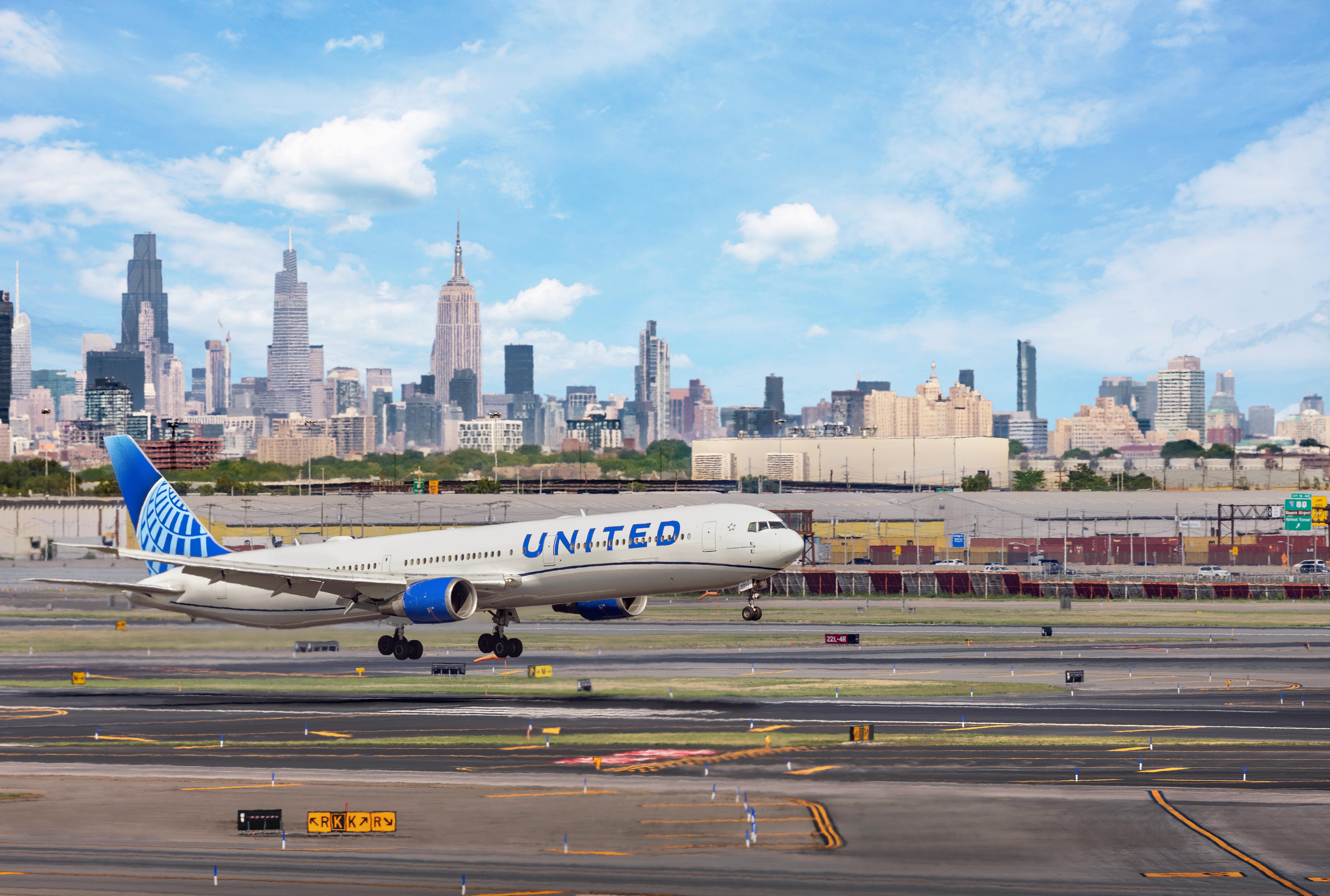
United Airlines is preparing the largest international expansion in its history, adding 10 international destinations and three additional routes in 2027 — and putting the Airbus A321XLR at the heart of the strategy. Eight of the new destinations, including Luxembourg, Toulouse, Ljubljana, Ibiza, Valencia, Marseille, Terceira and Okinawa, will have no competing nonstop service from another United States airline. Newark Liberty International Airport will gain eight European destinations, further cementing its position as United’s principal transatlantic gateway.
The real story, however, may be the airplane. Five of the new routes will use the long-range A321XLR, configured with 20 Polaris suites, 12 premium-economy seats, Starlink internet, 4K entertainment screens and a redesigned Economy Plus row featuring an unoccupied middle seat. United plans to begin international A321XLR service Dec. 1, 2026.
For airline planners, the XLR changes the mathematics of international flying: carriers can pursue premium leisure traffic in smaller European markets without needing to fill a 250- or 300-seat wide-body aircraft. For travelers, the question is more complicated. A nonstop flight to Ljubljana or Toulouse is enormously attractive, but seven or eight hours aboard a single-aisle aircraft could mean more aisle congestion, fewer lavatories and less room for crews to provide the kind of long-haul service passengers traditionally associate with international flying. The A321XLR may open a remarkable number of doors — but passengers will soon decide whether they enjoy getting there through a narrower cabin.
Dubai Lost Nearly a Third of Its Passengers — and the Shock Waves Reach Everywhere
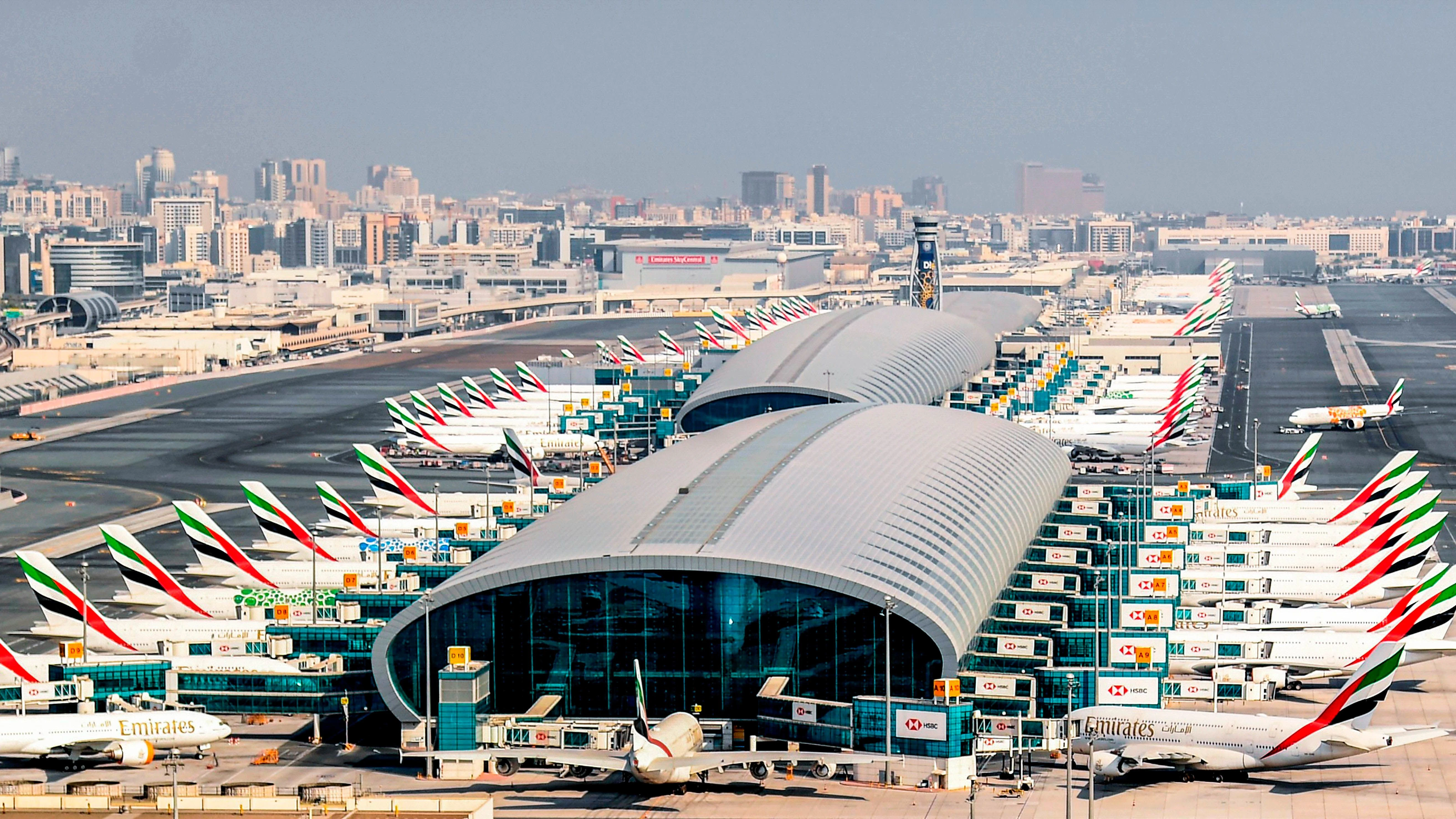
Dubai International Airport handled 31.5 million passengers during the first half of 2026, down an extraordinary 31.3 percent from the same period last year. Aircraft movements declined 32.1 percent and cargo traffic fell 28.7 percent. Passenger numbers did begin to recover during the second quarter, climbing from 3.5 million in April to five million in June, with nearly 50 international airlines serving 217 destinations by the end of June.
Even so, the figures are startling when set against Dubai International’s record 95.2 million passengers in 2025. Regional conflict and airspace restrictions linked to Iran have demonstrated just how quickly geopolitics can reach into airline schedules, hotel occupancy, cruise deployment and the itineraries of travelers thousands of miles away.
Dubai is not simply another airport. It is one of the principal organizing points of global travel, connecting Europe, Asia, Africa and Australia while feeding Emirates, regional hotels, luxury shopping, stopover tourism and the Gulf cruise business. The next important question is where those missing passengers went. Doha, Istanbul, Singapore, Incheon and European hubs may have captured travelers who once routinely connected through Dubai — and the industry will be watching closely to see whether all of them return when conditions normalize.
Air Canada Finally Says the Quiet Part Out Loud: A Wheelchair Is Not Baggage
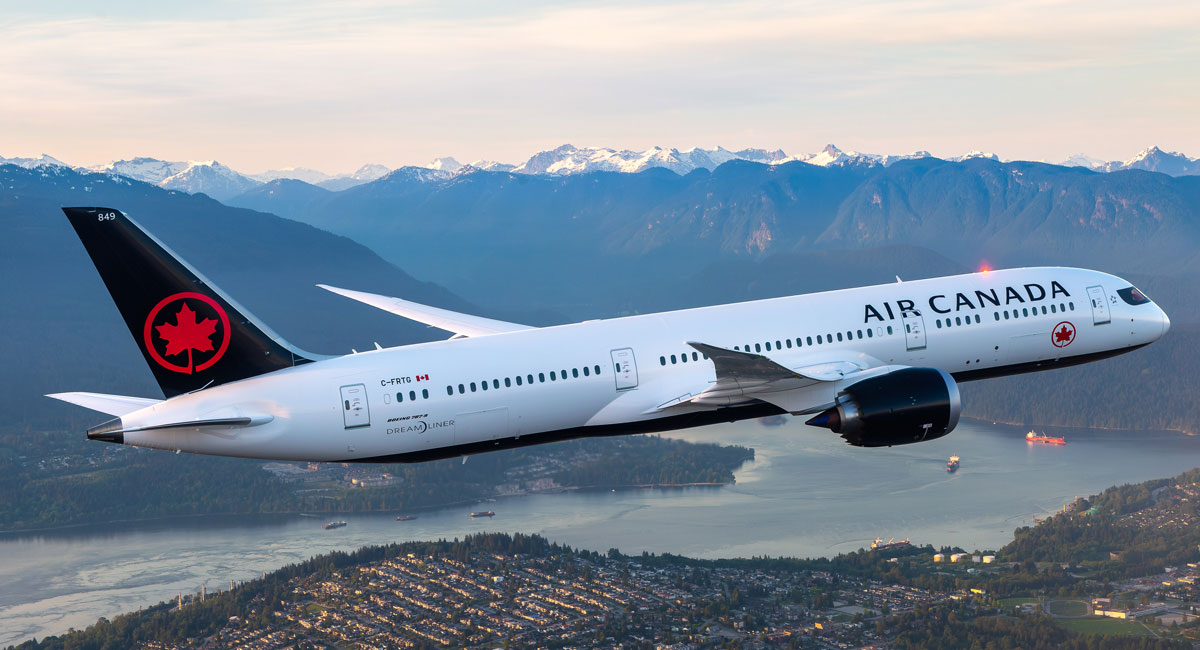
Air Canada is expanding its mobility-aid policy in a way that could force other airlines to reconsider how they handle passengers with disabilities. Travelers will now be able to check as many as three mobility aids without charge, including wheelchairs, adaptive sporting equipment, patient lifts and transfer devices.
When an aid is too large to fit aboard the passenger’s aircraft, Air Canada Cargo will transport it within Canada at no charge, and passengers can monitor the loading and unloading status of mobility equipment through the airline’s app.
This matters because a wheelchair is not comparable to a suitcase that can be replaced after a claims form is filed. For many passengers, mobility equipment is the difference between independence and immobility, and it can be extraordinarily expensive and highly customized. Air Canada’s policy recognizes that reality in unusually clear terms. Now comes the difficult part: consistent execution. Travelers and accessibility advocates will be watching how the airline handles batteries, power chairs, cargo transfers, aircraft-door limitations, damaged equipment and temporary replacement devices. If the operational side matches the promise, this could become a benchmark competitors will be under pressure to follow.
Oceania Is Making Its Next Ship Bigger — Without Stuffing It With More People
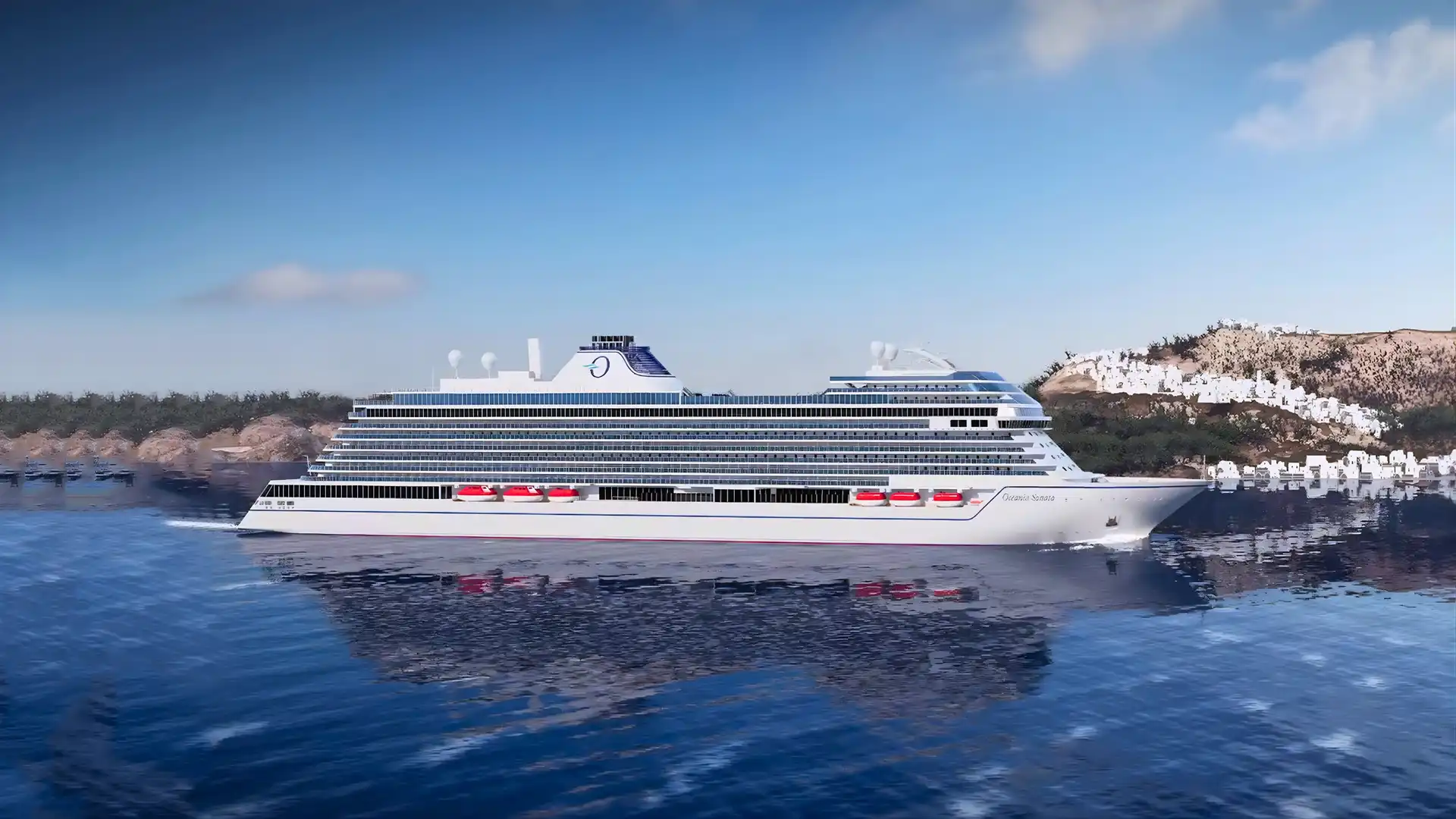
The cruise industry has spent years building bigger ships. Oceania Cruises is taking a more interesting approach: building a substantially bigger ship without using all that additional space simply to squeeze in more passengers.
The line floated out Oceania Sonata at Fincantieri’s Marghera shipyard, with the approximately 86,000-gross-ton vessel scheduled to enter service in August 2027 as the first of five Sonata-class ships planned through 2037. Sonata will be nearly 30 percent larger than Oceania Allura but will add only 90 accommodations, bringing the total to 695 rooms and suites. One-third of those accommodations will be suites, including Oceania’s first two-bedroom Owner’s Suites.
Thirteen dining venues will include two new concepts, La Table par Maîtres Cuisiniers de France and Nikkei Kitchen. The numbers point toward something more significant than another new-build announcement: Oceania is apparently using much of the additional volume for larger accommodations, dining rooms, public areas and back-of-house culinary operations rather than sheer passenger density.
That is exactly where the premium cruise market appears to be heading. Travelers paying higher fares increasingly expect space itself to be part of the product — fewer queues, less crowding around the pool, easier restaurant reservations and public rooms that do not feel perpetually full. For cruise executives, the equation is equally important: the industry is testing whether passengers will pay substantially more for a ship carrying fewer people per square foot. Sonata may become one of the most useful case studies yet.
American’s Free Upgrade Just Acquired a Layover in Premium Economy
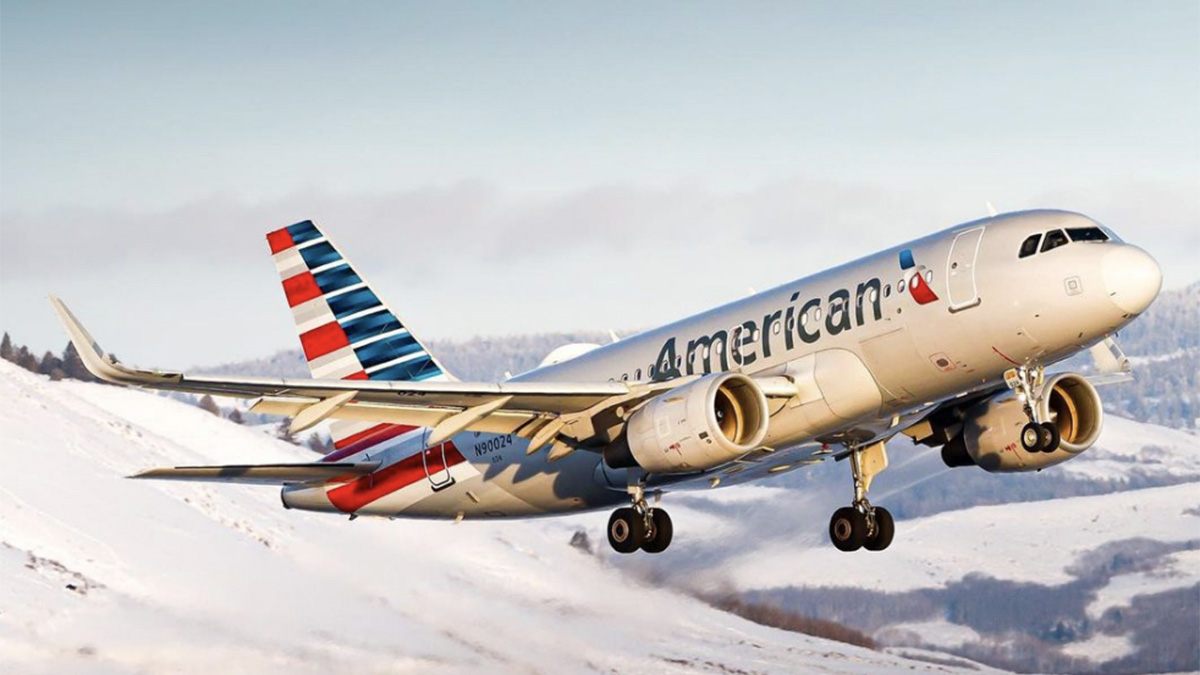
For years, elite airline status carried one irresistible possibility: buy coach and, on a good day, wind up sipping a drink in business class. American Airlines is making that journey considerably less direct.
Beginning Aug. 25, AAdvantage elite members traveling on selected transcontinental and Hawaii routes will generally be upgraded from Main Cabin into premium economy rather than business class when the aircraft has a premium-economy cabin. Complimentary business-class upgrades remain possible for travelers who purchased premium economy, bought an instant upgrade or are flying aboard aircraft without premium economy. The policy initially covers nine route pairs, including New York to Los Angeles, New York to San Francisco and several Hawaii services.
From American’s perspective, the change is logical. Premium cabins have become too valuable to give away casually when passengers may be willing to pay thousands of dollars for them. But for frequent travelers, it represents another recalculation of what loyalty status actually buys. Premium economy may create more opportunities for upgrades overall, but it also creates a new wall between elite passengers and the lie-flat business-class seat that once made status chasing so compelling. Airlines want loyalty programs to remain aspirational; the danger comes when customers decide the aspiration is no longer worth the effort.
Philadelphia Is Back in the Cruise Business — and New York Should Pay Attention
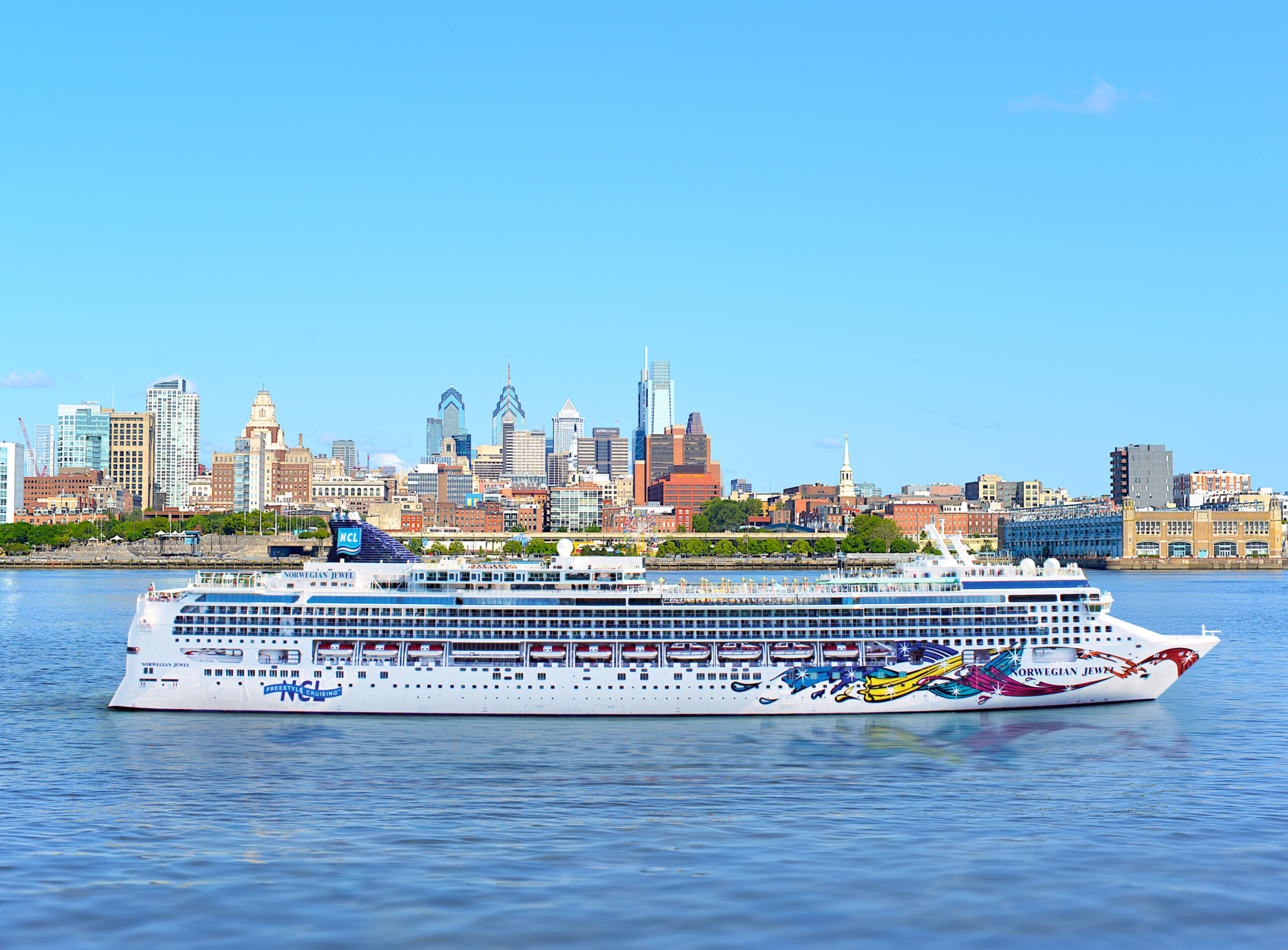
After more than 15 years largely absent from home-port cruising, Philadelphia officially has a permanent cruise terminal again.
Norwegian Cruise Line Holdings and PhilaPort opened the facility Aug. 27 under a seven-year agreement running through March 2033. Officials project approximately 2,185 direct and indirect jobs and nearly $300 million in annual economic activity. Norwegian Jewel is sailing from Philadelphia through September, Norwegian Pearl arrives in November and Norwegian Gem is scheduled for summer 2028.
The appeal is obvious. Millions of potential passengers across Pennsylvania, New Jersey, Delaware, Maryland and surrounding states can potentially drive to a cruise without confronting Manhattan traffic, New York hotel prices or a longer journey to Baltimore. Philadelphia could also develop a lucrative pre- and post-cruise market involving hotels, restaurants, historic attractions and airport stays.
But one cruise line does not make a cruise hub. The real validation will come when a second company commits ships to Philadelphia and when passengers demonstrate that they are willing to tolerate the lengthy Delaware River transit in exchange for the convenience of a regional departure. If that happens, the Mid-Atlantic cruise map could look considerably different by the end of the decade.
The FAA Has Put a Deadline on Fixing Air-Traffic Control. Travelers Should Remember It

The Federal Aviation Administration and Transportation Department marked the opening of an 87,000-square-foot Rohde & Schwarz USA plant in Frederick, Md., that will manufacture digital internet-protocol voice switches for air-traffic controllers. The FAA says 176 switches have already been installed, 388 radio sites converted and surface-awareness technology introduced at 96 towers. It also says 63 percent of identified copper communications wiring has been replaced with fiber, wireless or low-Earth-orbit connections.
The agency’s target is ambitious: complete the broader air-traffic-control modernization effort by the end of 2028.
Most travelers will never see a voice switch or communications cable, but they feel the consequences when those systems fail. Modernization affects safety, weather recovery, outage resilience, congestion and the chain reaction of delays that can turn a minor technical problem at one airport into thousands of disrupted itineraries across the country. The significance of the FAA’s new figures is that the public now has measurable milestones against which to judge progress. The next question should be asked repeatedly between now and 2028: What has actually been installed — and at which airports?
The Hotel Gym Is Becoming a Recovery Laboratory
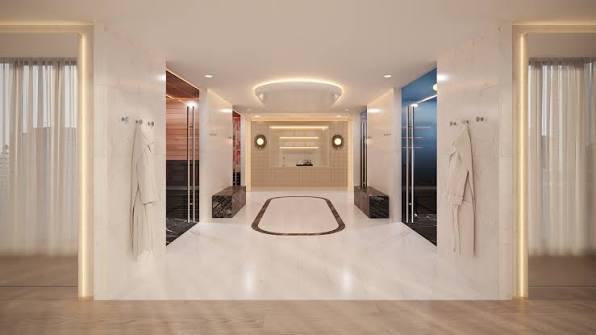
The wellness arms race has moved beyond cucumber water and a treatment room beside the swimming pool.
Signia by Hilton introduced Signia Restore, a new fitness and recovery concept scheduled to debut at Signia Hilton Indianapolis in January 2027. The planned offerings include cold therapy, infrared and hybrid saunas, compression equipment, robotic massage, sensory showers and a wellness concierge.
A day later, InterContinental Hotels & Resorts expanded complimentary Timeshifter jet-lag plans to guests at 242 hotels across nearly 70 countries. The technology provides personalized recommendations involving sleep, light exposure and caffeine based on a traveler’s itinerary and circadian rhythms.
That is a meaningful evolution in hospitality. Hotels have traditionally sold wellness as something guests choose to do during a stay — a massage, yoga class or workout. Now they are beginning to address the physical consequences of travel itself: fatigue, sleep disruption, soreness and the need to be functional quickly after crossing time zones. For hoteliers, recovery could become a lucrative new amenity category. For travelers, the challenge will be distinguishing useful science from expensive theater — and determining which services are included in increasingly high room rates and which arrive as yet another ancillary charge.
Park Hyatt Comporta, Portugal Opening in 2029 – Why This Luxury Hotel May Be More About Selling Homes Than Rooms?

Park Hyatt is coming to Comporta, Portugal, in 2029, but the numbers reveal a project that says as much about luxury real estate as it does about hospitality.
Hyatt and developer Coporgest are planning only 58 hotel rooms and suites and six private villas. Alongside them will be 22 Park Hyatt-branded residences, with another 80 privately owned villas and apartments expected across the wider development.
That ratio reflects one of the most important trends in high-end hospitality. Global hotel brands increasingly provide the name, service infrastructure and prestige that allow developers to sell residences at a premium, while hotel companies build long-term management and fee relationships with wealthy owners.
For developers and hotel companies, it can be highly attractive business. For buyers, the questions should go much deeper than whether “Park Hyatt” appears on the gate. Management fees, rental-pool requirements, access to hotel amenities, resale restrictions and the consequences of a future management change may ultimately determine whether a branded residence is a brilliant lifestyle purchase or simply an extraordinarily expensive piece of real estate with a famous name attached.
What Comes Next May Matter Even More
Several of this week’s biggest announcements still come with sizable asterisks.
United needs Airbus deliveries and government approvals to match its ambitious 2027 schedule. Dubai’s recovery should be judged not only by airport forecasts but by the actual return of international airlines, hotel occupancy and traveler confidence. Philadelphia will need another cruise line before it can credibly claim status as a major regional home port. And Air China has indicated that it intends to increase European and North American flying after stronger international performance, but route details, frequencies and regulatory filings are still needed before that promise becomes a defined expansion strategy.
Taken together, the stories point toward a travel industry that is becoming more sophisticated — and more complicated.
The next generation of international airline service may arrive on smaller aircraft. Accessibility may become an actual competitive differentiator. Loyalty programs may offer more tiers while giving away less at the top. Cruise lines may discover that passengers will pay handsomely for fewer passengers around them. Hotels may sell recovery as aggressively as they once sold spas.